
The Neurochemistry of Trust in Death Care Marketing
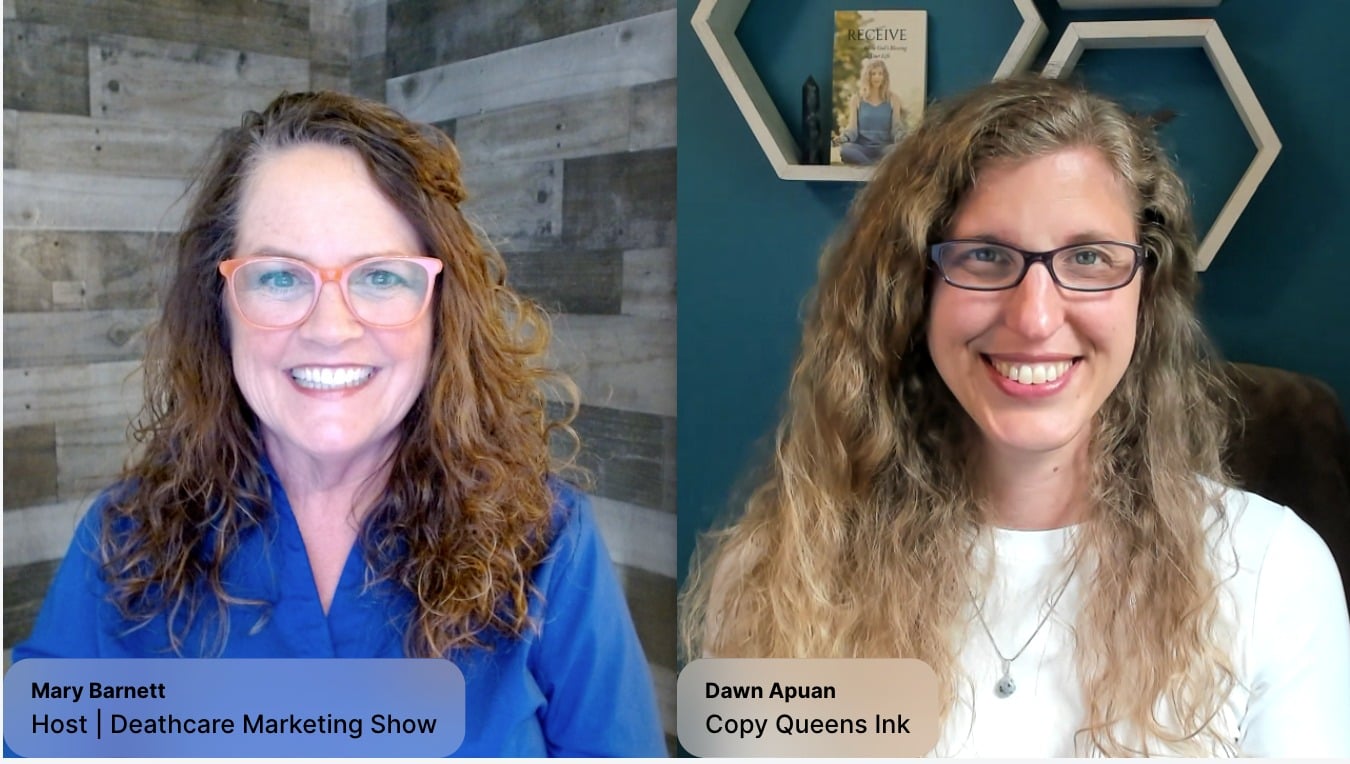
Listen on your favorite Podcast channel, like Amazon, Audible, Spotify, Apple, or watch it on YouTube.
In this episode of Deathcare Marketing Show, marketing expert Mary Barnett interviews author and certified copywriter Dawn Apuan about using neurochemistry to build consumer trust in the funeral industry. Apuan explains that effective communication must trigger five specific brain chemicals in a precise order to move potential clients from a state of stress to a feeling of security. She argues that businesses do not typically suffer from a lack of leads, but rather a failure to establish a biological connection through storytelling and social proof. By utilizing chemicals like oxytocin and serotonin, funeral directors can foster empathy and authority before a family even faces a crisis.
The discussion highlights how elements such as voice tone, video content, and authentic origin stories serve to lower cortisol levels and create a sense of safety. Ultimately, the source suggests that the future of deathcare marketing relies on humanizing the brand to ensure families feel understood and supported during their most vulnerable moments.
Deathcare Marketing Show | Episode 4
In this episode, Mary Barnett sits down with Dawn Apuan, a certified copywriter and best-selling author, to discuss why funeral homes often mistake a “trust problem” for a “lead problem”. They explore how specific neurochemicals in the brain dictate how families choose a death care provider and how marketing can be optimized to build biological trust.
Key Insights
- “You don’t have a lead problem, you have a trust problem.”.
- The Power of Storytelling: Facts tell, but stories sell because they trigger the release of oxytocin and serotonin in the brain.
- Neurochemical Order: Effective marketing triggers five brain chemicals in a specific order: Cortisol (to get attention), followed by Oxytocin and Serotonin (to build trust), then Dopamine (to provide hope), and finally a return to safety.
- The “Salty Peanuts” Rule: Every line of your website has one job: to get the reader to read the next line, much like how salty peanuts at a bar make customers thirsty for another drink.
- Human Connection: “People don’t buy from businesses; they buy from people”
Actionable Tips for Funeral Home Owners
- Audit Your Website Tone (The TRUST Loop): Use the TRUST framework to evaluate your messaging:
- T (Tone): Does your voice calm the reader or activate stress (cortisol)?
- R (Relevance): Are you speaking to the family before the crisis happens?
- U (Understanding): Do families feel seen through your use of empathy and shared experience (oxytocin)?
- S (Safety): Does your online presence lower cortisol levels to move them out of a fight-or-flight state?
- T (Timing): Are you visible and trusted before you are needed?
- Limit Cortisol (Fear): While some industries use high levels of cortisol (fear/pain) to drive action, the death care industry should aim for only about 25% cortisol. Over-using fear-mongering language will repel families rather than attract them.
- Optimize Your “About” Section: Use this space to tell your origin story. Share why you do what you do and your personal experience with loss to build an immediate oxytocin connection.
- Leverage Social Proof: Proactively collect and share testimonials and reviews to trigger serotonin. Families often read the worst reviews first to see how a business handles conflict, so respond to negative feedback with grace and ownership.
- Utilize Video Marketing: Use video on your website and social media to allow families to hear your voice and see your eyes. This creates familiarity, making the brain view the provider as a “friend” before they ever meet in person.
- Build “Joint Venture” Community Relationships: Proactively meet with local pastors and community leaders. Invite them for open houses or “behind the scenes” tours so they can speak intelligently and confidently about your services to their congregations.
Guest Resources & Offers
- Guest Website: Visit Copy Queens Inc. for more information on Dawn’s services.
- Featured Book: Voice Print by Dawn Apuan—a best-seller exploring how voice tone and communication trigger specific neurochemicals.
- Neurochemical Analysis Tool: Dawn offers an AI-driven tool that analyzes your marketing (like website headlines) to determine the exact neurochemical makeup of your messaging and how to fix it.
If you have wisdom and insights to share with your peers in the Deathcare industry, and would like to be a guest on the Deathcare Marketing Show, please apply here: http://deathcaremarketingshow.com
You can also see other episodes there as well!
If you would like to work with Mary and her team, please set up a free discovery call by clicking this link and finding the best day and time for your schedule: https://connect.anotherbrilliantidea.com/widget/bookings/20-mins-with-mary